10th Anniversary UKADR Annual Conference 2026
Aston University will be hosting UKADR's 10th anniversary annual conference on 14-15 September 2026. The theme is Science, Society, and Solidarity: Transforming Crisis and Disaster Management Research for a Polycrisis World and the Post-2030 Global Agenda.
Bringing together researchers, practitioners, and policymakers, this conference reimagines crisis and disaster research through the lenses of science, society, and solidarity to address the challenges of a polycrisis world and the Post-2030 Global Agenda.
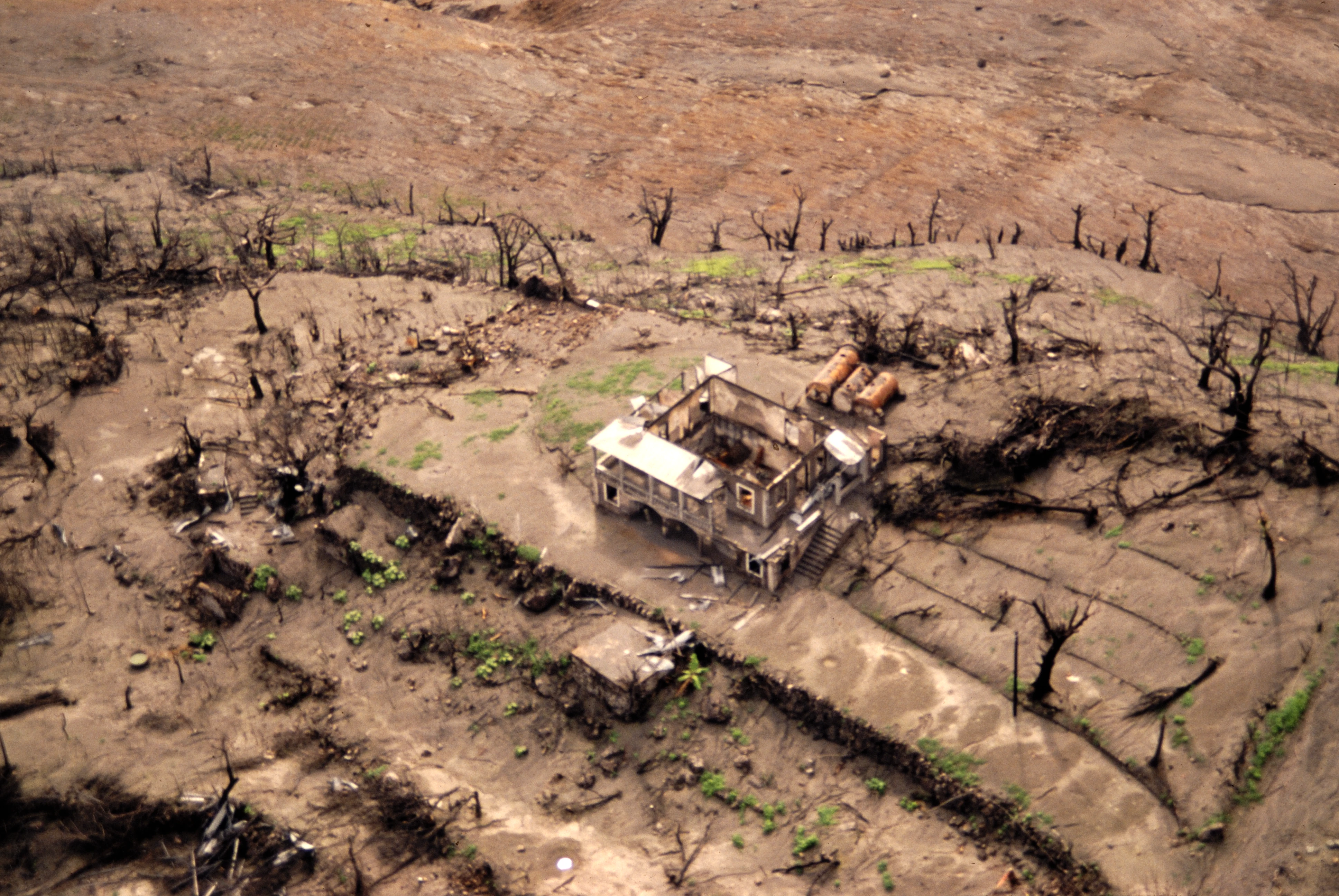
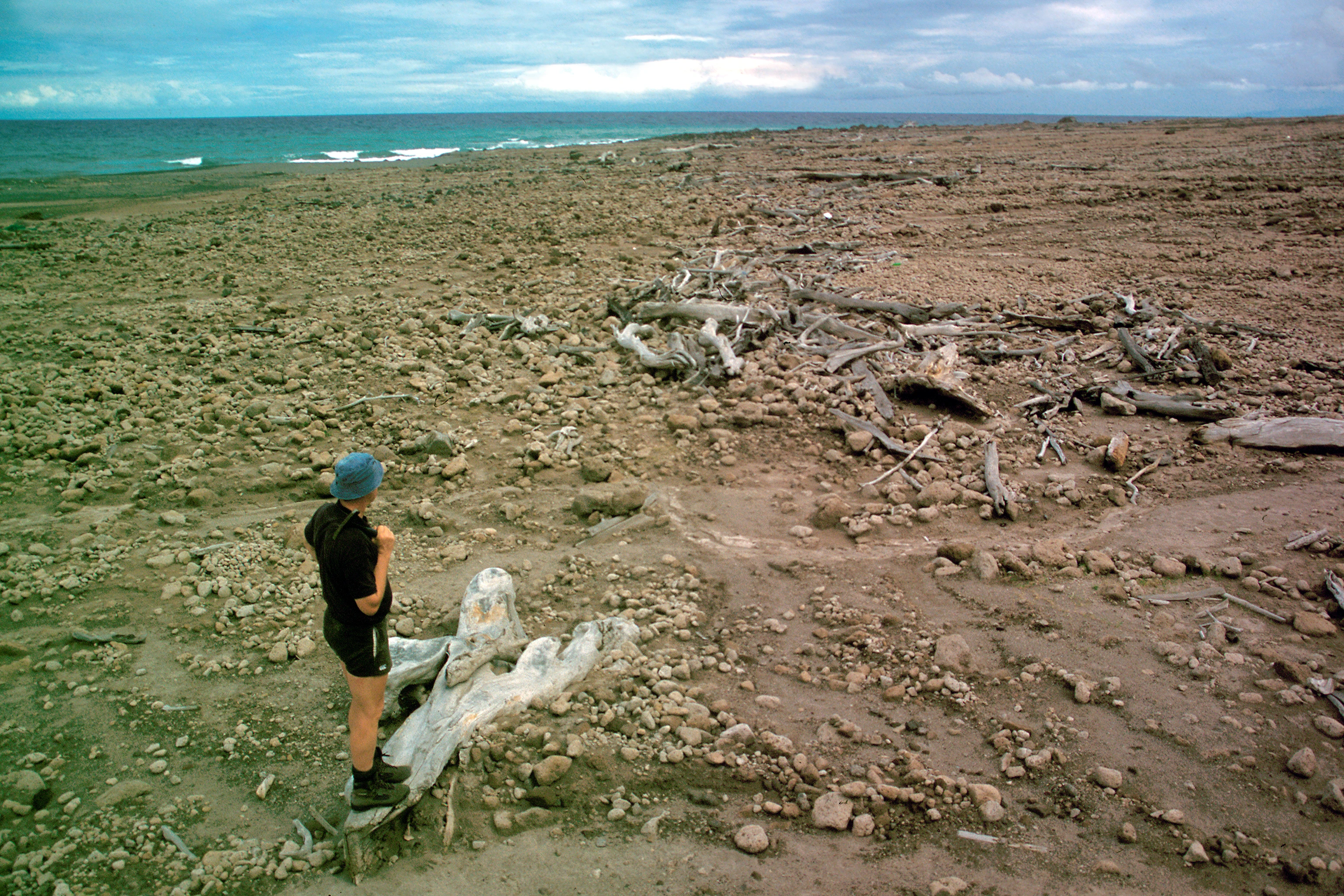
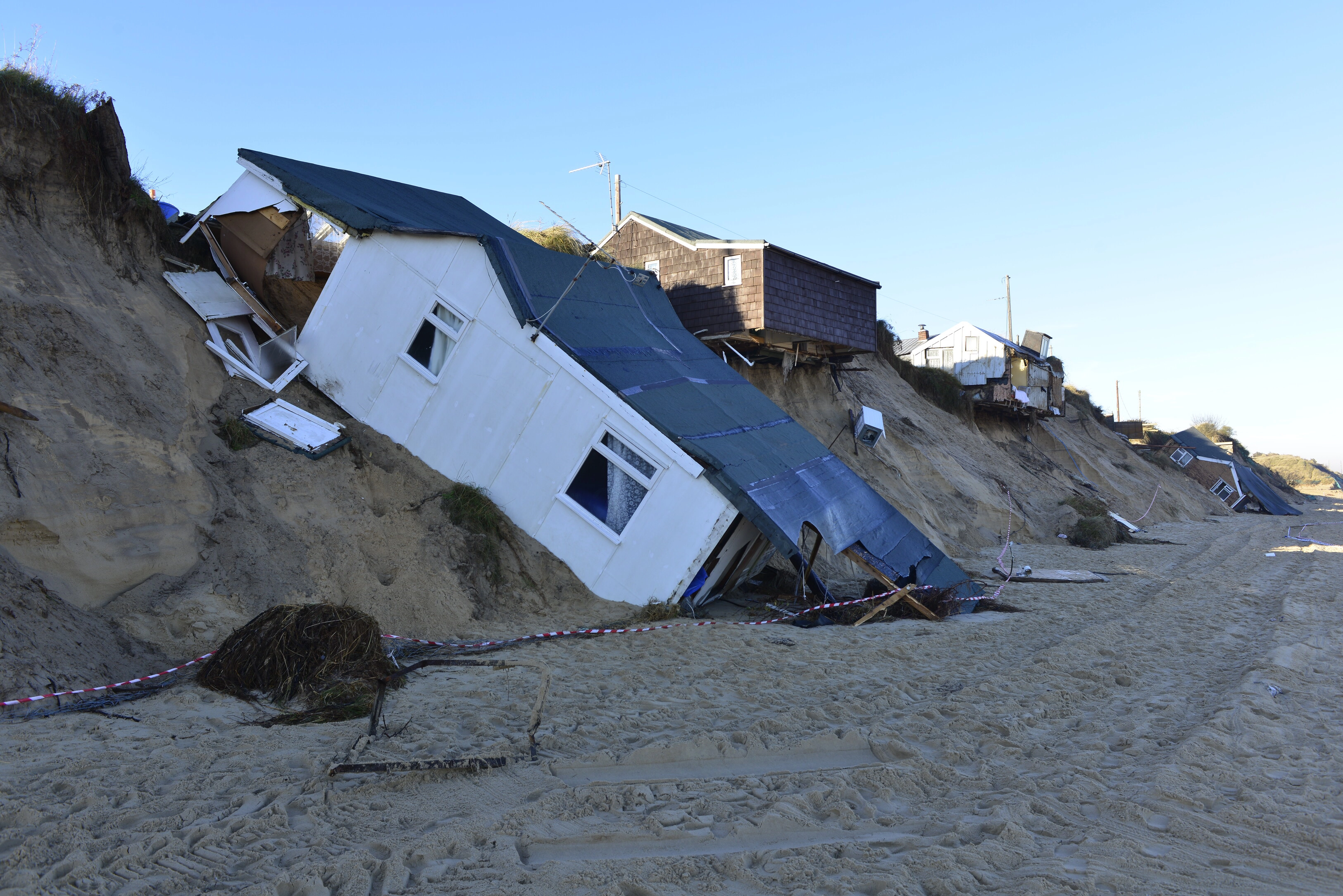
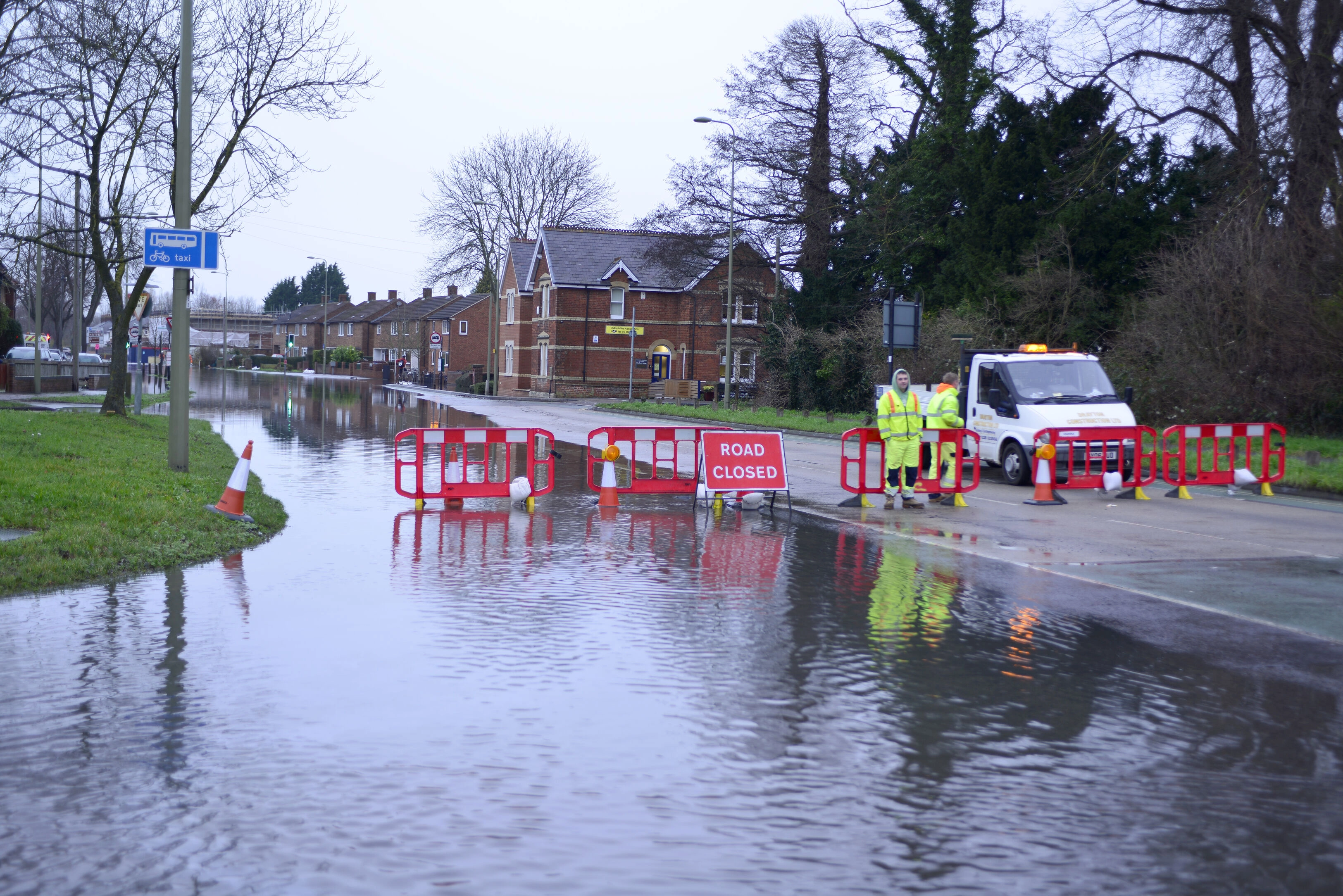
We live in an age of polycrisis, where climate extremes, pandemics, conflicts, urban vulnerabilities, political instability, and technological disruptions and systemic shocks collide to create complex and cascading risks. As the world looks beyond the 2030 Sustainable Development Goals, crisis and disaster management research must evolve to meet new governance, social justice, and technological challenges. Building resilience requires rethinking not only scientific approaches but also governance structures, cultural systems, and community practices.
The 10th Anniversary of UKADR conference, Science, Society, and Solidarity: Rethinking Crisis and Disaster Management Research in an Age of Polycrisis and the Post-2030 Global Agenda at Aston University brings together researchers, practitioners, policymakers, and community leaders to reimagine how crisis and disaster management is understood, studied, and practiced. It seeks to bridge scientific innovation with community knowledge, policy reform, and global collaboration to shape resilient futures that uphold equity and dignity.
By fostering dialogue across disciplines, sectors, and geographies, the event aims to generate bold ideas and practical pathways for crisis and disaster management research and action in the decades ahead.
Call for papers
The 10th anniversary UKADR conference invites scholars, practitioners, policymakers, community and humanitarian actors to contribute papers, case studies, and creative approaches that challenge assumptions and open new pathways for crisis and disaster management research for the United Kingdom and the entire world. We encourage contributions that bridge disciplinary silos, connect local and global perspectives, and challenge conventional approaches. Together, let us advance science, society, and solidarity to confront the polycrisis era and shape resilient futures for the Post-2030 Global Agenda.
Key speakers
- Professor Durgesh Pant Director General, Uttarakhand State Council for Science And Technology, Director, Uttarakhand Space Application Centre, India
- Dr Robert MacFarlane OBE, Deputy Director (Security and Data Protection) Department for Work and Pensions (DWP), United Kingdom
- Professor Alex Copley, Professor of Tectonics, University of Cambridge, United Kingdom
- Professor Adam Amara, Chief Scientist, UK Space Agency & Director, Surrey Space Institute, University of Surrey, United Kingdom
- Dr. DeeDee Bennett Gayle, Associate Dean for Research, College of Emergency Preparedness, Homeland Security and Cybersecurity, University of At Albany, USA
- Dr. Ratnakar Adhikari, Executive Director, Enhanced Integrated Framework Executive Secretariat, World Trade Organization (WTO), Switzerland
- Dr. Jolene Jerard, Executive Director at Centinel, Singapore
- Dr. Alun Newsome, Director at Re: Searchers Ltd and Search & Rescue Professional
Conference subthemes
- Session 1: Multi-Hazard, Cascading, and Transboundary Risks
- Lessons from past floods, earthquakes, pandemics, and wildfires
- Anticipating systemic risks and “black swan” events
- Session 2: Governance, Power, Trade, and Policy Coherence
- Comparative approaches across democracies, authoritarian regimes, and fragile states
- Bridging climate change, DRR, trade, and sustainable development agendas
- Session 3: Emerging Technology, AI, and Digital Innovation
- Digital twins, VR/AR simulations, and predictive analytics
- Ethics, data governance, and the limits of techno-solutionism
- Session 4: Search and Rescue (SAR) and Next-Generation Leadership for Emergency and Crisis
- Innovative training methods
- Building transdisciplinary curricula and practitioner -researcher networks
Submission Guidelines
- All extended abstracts submissions should be in the English language.
- Extended abstracts should be a maximum of 750 words (excluding tables, figures, and references).
- Poster submission abstracts are limited to 300 words. Researchers must focus on their research question and aim of the proposed study.
- Submission is final, and changes cannot be made afterwards.
- A maximum of three papers as an author or a co-author may be submitted.
Formatting Guidelines
Extended abstracts should include a short background, problem, objectives, method, results, and conclusions.
Formatting: Single spacing and Aptos (Body) 12-point font.
The entire submission (title, abstract, text, figures, graphs, tables, and references) must be contained in one document.
The title should be listed in the header of each page.
Only electronic submissions will be accepted.
UKADR 10th Anniversary Conference submission system will be open for submissions from 05th January 2026
Don't miss your chance to share your research, honour the legacy of our field’s leaders, and gain international recognition!
Contact
For any queries, please email to the Conference Secretariat (UKADR2026@aston.ac.uk, subject line: UKADR 2026)